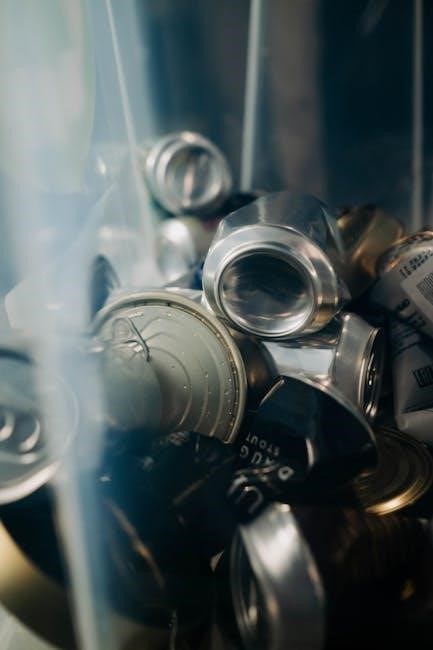
Scrap metal encompasses discarded metal from various sources, offering valuable resources for recycling․ Accurate identification is crucial for maximizing value and ensuring proper processing, benefiting both individuals and industries․
What is Scrap Metal?
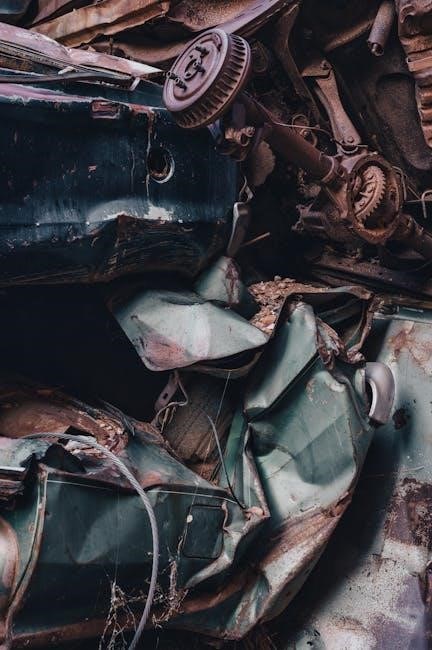
Scrap metal broadly defines discarded metal materials, originating from diverse sources like end-of-life vehicles, demolished buildings, industrial waste, and obsolete machinery․ This includes everything from old cars and appliances to manufacturing byproducts and construction debris․ Essentially, it’s metal reclaimed for reprocessing and reuse, rather than being sent to landfills․ The term encompasses both ferrous metals – those containing iron – and non-ferrous metals, which lack significant iron content․
Old trucks sold as scrap metal exemplify this process, where materials are melted down and repurposed․ Even seemingly insignificant pieces, like a scrap of paper with metal fasteners, contribute to the overall volume․ The value of scrap metal fluctuates based on market demands, with materials like copper consistently commanding higher prices than steel․
Why is Accurate Identification Important?
Accurate identification of scrap metal is paramount for several key reasons․ Firstly, different metals possess vastly different values; for instance, copper consistently fetches significantly higher prices – 30-40 times more – than steel․ Misidentification leads to financial losses for both scrap collectors and processing facilities․ Secondly, proper sorting is crucial for efficient recycling processes․
Contamination of metal streams with incorrect alloys can compromise the quality of the recycled material․ Furthermore, understanding the composition of scrap metal is vital for safety, as some materials may contain hazardous substances requiring specific handling procedures․ Correctly classifying materials ensures compliance with environmental regulations and maximizes resource recovery;
Ferrous vs․ Non-Ferrous Metals
Ferrous metals contain iron, while non-ferrous metals do not; this is the primary classification․ A simple magnet test quickly distinguishes between these two crucial metal categories․
Understanding Ferrous Metals
Ferrous metals, characterized by their iron content, are widely utilized due to their strength and affordability․ These metals are susceptible to rust, a common form of corrosion, impacting their longevity if not properly protected․ Identifying ferrous metals is often straightforward, as most are attracted to magnets – a key characteristic for initial sorting․
Common examples include various types of steel, cast iron, and carbon steel, each possessing unique properties and applications․ Steel, an alloy of iron and carbon, offers excellent tensile strength, making it ideal for construction and manufacturing․ Cast iron, known for its brittleness, is frequently found in older machinery and pipes․ Carbon steel, varying in carbon content, exhibits different levels of hardness and weldability․ Understanding these distinctions is vital for accurate scrap metal categorization and maximizing recycling efficiency․
Understanding Non-Ferrous Metals
Non-ferrous metals, lacking significant iron content, generally exhibit superior corrosion resistance and are often more valuable than their ferrous counterparts․ This category encompasses a diverse range of materials, including copper, aluminum, brass, lead, and zinc, each possessing unique characteristics and applications․ Unlike ferrous metals, they are typically not magnetic, providing a quick initial test for identification․
These metals are crucial in industries like electronics, plumbing, and automotive manufacturing․ Copper, renowned for its conductivity, commands a high scrap value․ Aluminum, lightweight and corrosion-resistant, is widely used in packaging and transportation; Properly identifying these materials is essential for achieving optimal returns when selling scrap metal, as their value significantly impacts overall profitability․
The Magnet Test: A Primary Identifier
The magnet test serves as a fundamental, readily accessible method for initial scrap metal identification․ Ferrous metals, containing iron, exhibit a strong magnetic attraction, adhering firmly to a magnet․ Conversely, non-ferrous metals – such as aluminum, copper, brass, and zinc – demonstrate little to no magnetic response; This simple test provides a crucial first step in categorizing scrap․
However, it’s important to note that some stainless steels contain non-magnetic austenitic structures, requiring further investigation․ While a strong attraction confirms a ferrous metal, the absence of attraction doesn’t definitively identify a specific non-ferrous metal; it merely narrows down the possibilities․ Combining the magnet test with visual inspection and other techniques yields more accurate results․

Common Ferrous Scrap Metals
Ferrous metals, containing iron, include steel, cast iron, stainless steel, and carbon steel – frequently found as scrap, offering substantial recycling potential and value․
Steel Identification
Steel, a prevalent ferrous metal, presents in numerous forms as scrap, demanding careful identification․ Visually, steel often exhibits a grayish-blue hue, though surface rust can alter its appearance․ A magnet readily adheres to most steel types, confirming its iron content․ However, differentiating steel grades requires closer inspection․
Carbon content significantly impacts steel’s properties; higher carbon levels increase hardness but reduce weldability․ Carbon steel lacks substantial alloying elements, while alloy steels contain additions like chromium or nickel for enhanced characteristics․ Spark testing, involving observing the pattern of sparks generated when grinding, aids in grade determination – a skilled technique․
Furthermore, assessing steel’s thickness and form (sheets, beams, pipes) provides clues․ Understanding these nuances is vital for accurate scrap categorization and maximizing its resale value to recycling facilities․ Proper identification ensures appropriate processing and material recovery․
Cast Iron Identification
Cast iron, another common ferrous scrap, differs from steel in composition and properties․ Typically gray in color (though variations exist), it’s characterized by a higher silicon content and a more brittle nature․ A magnet will stick to cast iron, confirming its ferrous base, but it often exhibits a weaker attraction than steel․
Unlike steel, cast iron doesn’t respond well to bending or forging․ A key identifier is its fracture surface, which appears grainy or crystalline․ Spark testing produces fewer, duller sparks compared to steel’s brighter, more numerous display․ Different cast iron types – gray, ductile, white – possess varying characteristics․
Gray cast iron, the most frequent form, contains graphite flakes, contributing to its damping capacity․ Accurate identification is crucial, as cast iron’s value differs from steel, impacting scrap pricing and recycling processes․ Careful observation of these features aids in proper categorization․
Stainless Steel Identification
Stainless steel presents a unique challenge in scrap identification due to its corrosion resistance and diverse alloy compositions․ A magnet typically won’t stick to most common austenitic stainless steels (like 304 and 316), though some ferritic and martensitic grades are magnetic․ This isn’t a definitive test alone!
Visual inspection reveals a bright, often silvery appearance, resisting rust and staining․ Spark testing produces a short, burst-like spray of sparks, differing from steel’s sustained streams․ Identifying the specific grade (304, 316, etc․) requires more advanced methods, like chemical testing․
Stainless steel’s value is significantly higher than carbon steel, making accurate sorting essential for scrap yards․ Look for markings or stamps indicating the alloy type․ Its widespread use in appliances, cookware, and industrial equipment means it’s a frequently encountered scrap material․
Carbon Steel Identification
Carbon steel, a common alloy, is readily identifiable through several methods․ It’s strongly magnetic – a magnet will firmly adhere to its surface․ Visually, it often exhibits a darker, grayish tone, and is prone to rust when exposed to the elements, unlike stainless steel․
Spark testing is particularly useful; carbon steel produces a dense, sustained spray of yellow-orange sparks․ This contrasts sharply with the shorter bursts of stainless steel․ The amount of carbon content influences hardness and weldability, but identifying this precisely requires specialized testing․
Commonly found in structural components, automotive parts, and machinery, carbon steel represents a substantial portion of scrap metal․ Its lower value compared to stainless or aluminum necessitates accurate separation for optimal recycling profits․
Common Non-Ferrous Scrap Metals
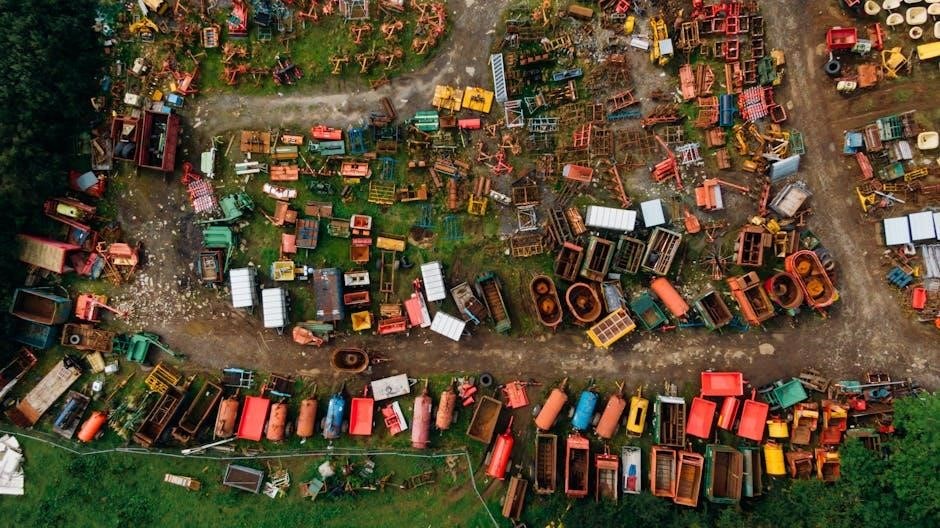
Non-ferrous metals – copper, aluminum, brass, lead, and zinc – lack iron, are generally more valuable, and find diverse applications across numerous industries․
Copper Identification & Value
Copper is easily recognized by its distinctive reddish-orange color․ It’s a highly conductive metal, frequently found in wiring, plumbing, and various electrical components․ Clean copper exhibits a bright, shiny appearance, while older pieces may develop a greenish patina due to oxidation․ Identifying copper is relatively straightforward due to its unique color and malleability – it can be bent without breaking․
Regarding value, copper consistently ranks as one of the most profitable scrap metals․ Typically, it’s worth 30 to 40 times more than steel, making it a sought-after material for recyclers․ The price fluctuates based on market demands, but its inherent value remains consistently high․ Different forms of copper scrap, like bare wire, sheet copper, and copper pipes, may fetch varying prices, with purer forms commanding higher rates․ Always check current market prices before selling․
Aluminum Identification & Value
Aluminum is a lightweight, silvery-white metal known for its resistance to corrosion․ It’s commonly found in beverage cans, automotive parts, window frames, and siding․ Unlike steel, aluminum is non-magnetic, a key identifying characteristic․ It’s also relatively soft and easily workable, often exhibiting a duller finish compared to copper or brass․ Different alloys of aluminum exist, sometimes presenting slight color variations, but the lightweight nature remains consistent․
In terms of value, aluminum typically falls around one-fifth the price of copper, still making it a valuable scrap metal․ While not as lucrative as copper or brass, the sheer volume of aluminum scrap generated contributes to its overall profitability․ Prices vary based on alloy type and market conditions․ Clean aluminum scrap, free from contaminants, commands the highest prices․ Separating aluminum from other materials is crucial for maximizing returns․
Brass Identification & Value
Brass, an alloy of copper and zinc, exhibits a distinctive golden-yellow color, though shades can vary depending on the zinc content․ It’s frequently found in plumbing fixtures, musical instruments, decorative items, and ammunition casings․ Brass is relatively soft, malleable, and resistant to corrosion, making it ideal for these applications․ A key identifier is its color – a reddish-yellow hue that distinguishes it from gold or other yellow metals․ It’s also non-magnetic, similar to aluminum and copper․

Regarding value, brass typically fetches roughly half the price of copper, making it a highly desirable scrap metal․ The demand for brass stems from its diverse industrial applications․ Different brass alloys (like red brass, yellow brass) have slightly varying values․ Clean, sorted brass scrap, free from other metals, will achieve the best prices․ Proper identification and separation are vital for maximizing profitability when selling brass scrap․
Lead Identification
Lead is a soft, dense, and malleable metal with a dull grayish color․ Historically used in plumbing, batteries, ammunition, and radiation shielding, it’s now subject to stricter regulations due to its toxicity․ Identifying lead can be challenging as it often appears coated or mixed with other metals․ A key characteristic is its extreme density – it’s significantly heavier than steel or aluminum for a comparable size․ Lead is also easily cut with a knife due to its softness․
However, caution is paramount when handling potential lead scrap․ It’s non-magnetic and doesn’t spark readily․ While value fluctuates, lead scrap generally commands a moderate price, but responsible disposal is crucial․ Always prioritize safety and adhere to local regulations regarding lead handling and recycling․ Proper identification prevents accidental exposure and ensures environmentally sound practices․
Zinc Identification
Zinc is a bluish-white metal, often appearing with a dull gray patina due to oxidation․ Commonly found in galvanized steel (a protective coating), die-cast parts, and batteries, identifying zinc scrap can be profitable․ It’s relatively brittle and has a crystalline fracture when broken․ Unlike lead, zinc produces a distinct, “hot spark” when spark tested – a short, bluish-white spray․ It’s also non-magnetic, a crucial differentiating factor from ferrous metals․
The value of zinc scrap is moderate, influenced by market demand and purity․ Look for items like zinc die castings, roofing materials, and battery casings․ Be aware that galvanized steel contains only a coating of zinc, impacting its overall scrap value․ Safe handling is important, though zinc is less toxic than lead․ Proper sorting maximizes returns and supports sustainable recycling efforts․
Identifying Scrap Metal Alloys
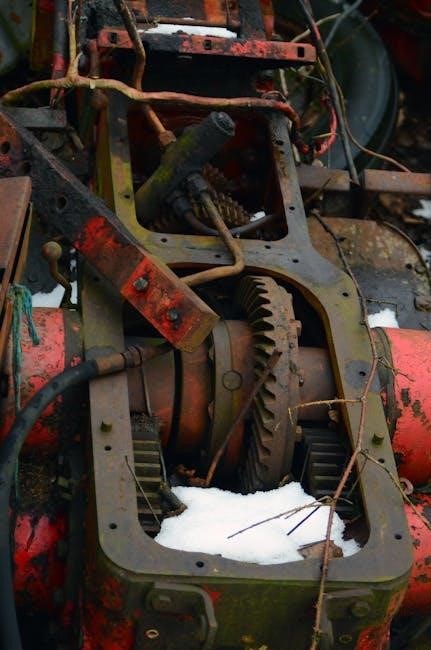
Alloys, mixtures of metals, require specialized identification techniques beyond simple magnetism tests, as their properties differ from pure metals significantly․
Bronze Alloys
Bronze, a robust alloy of copper and tin, exhibits a distinctive reddish-brown hue, though variations exist depending on the specific composition․ Identifying bronze often involves visual inspection, noting its color and luster․ Unlike ferrous metals, bronze is non-magnetic, a key characteristic for initial sorting․
However, color alone isn’t definitive, as some brasses can appear similar․ A spark test can provide further clues, producing a reddish-orange spark pattern․ The value of bronze scrap is considerable, influenced by the copper and tin content․ Common applications include bearings, bushings, and marine components, meaning scrap sources can vary widely․ Properly identifying bronze ensures you receive appropriate compensation at scrap yards, maximizing your returns from this valuable material․
Nickel Alloys
Nickel alloys, prized for their corrosion resistance and strength, present unique identification challenges․ These alloys, often incorporating elements like chromium and molybdenum, frequently appear silvery-white, though shades can vary․ Crucially, most nickel alloys are non-magnetic or exhibit very weak magnetic properties – a vital distinction from ferrous metals․
Spark testing reveals a distinctive purple spark pattern, aiding in positive identification․ Common examples include stainless steels (containing nickel) and specialized alloys used in aerospace and chemical processing․ Due to their valuable composition, nickel alloys command higher prices at scrap yards․ Accurate identification is paramount; misclassification can lead to significant financial loss․ Careful visual inspection combined with spark testing provides the best approach for maximizing returns on nickel alloy scrap․
Chromium Alloys
Chromium alloys, notably stainless steel, are highly valued for their resistance to corrosion and aesthetic appeal․ Identifying these alloys requires careful observation, as appearance can vary significantly depending on the chromium content and other alloying elements․ Generally, chromium imparts a bright, silvery luster, but surface oxidation can create a duller, sometimes rainbow-colored patina․
Spark testing is particularly useful; chromium alloys produce a brilliant white, forking spark pattern․ However, distinguishing between different grades of stainless steel can be complex․ Magnetism is a key indicator – most stainless steels are non-magnetic, though some grades containing nickel exhibit weak magnetic properties․ Proper identification ensures optimal pricing at scrap facilities, as chromium alloys fetch a premium due to their recyclability and demand in various industries․
Tools for Scrap Metal Identification
Essential tools include magnets for ferrous/non-ferrous differentiation, visual inspection for color and texture, and spark testing to analyze metallic composition effectively․
Using a Magnet

A magnet serves as a fundamental tool in initial scrap metal sorting, quickly distinguishing between ferrous and non-ferrous materials․ Ferrous metals, containing iron, exhibit a strong magnetic attraction, adhering firmly to the magnet’s surface․ This includes common types like steel and cast iron․ Conversely, non-ferrous metals – such as copper, aluminum, brass, and zinc – demonstrate little to no magnetic response․
However, it’s vital to note that stainless steel presents a nuance; while containing iron, certain alloys exhibit weak magnetic properties, requiring careful observation․ The strength of the magnetic pull can also indicate the metal’s composition and purity․ A powerful magnet is recommended for reliable testing, and it’s a simple, cost-effective first step in accurate scrap metal identification, streamlining the sorting process significantly․
Visual Inspection Techniques
Complementing the magnet test, visual inspection offers crucial clues for scrap metal identification․ Observe the metal’s color, texture, and any surface coatings․ Copper typically displays a reddish-brown hue, while aluminum is silver-gray and lightweight․ Brass exhibits a yellowish tone, and zinc often has a dull gray appearance․ Look for signs of corrosion, which can vary depending on the metal type and exposure to elements․
Pay attention to the metal’s form and shape – is it sheet metal, wire, or a solid casting? Examine for markings or stamps that might indicate the alloy or manufacturer․ Careful observation of these visual characteristics, combined with the magnet test, significantly improves identification accuracy, especially when dealing with alloys or metals with subtle differences․
Spark Testing
Spark testing is a more advanced technique requiring a grinder and a darkened environment to analyze the sparks produced when grinding the metal․ Different metals generate unique spark patterns – color, shape, and burst characteristics – aiding in identification․ Steel produces long, bright yellow sparks, while stainless steel creates shorter, less vibrant sparks․
Aluminum yields very few sparks, and brass produces reddish-orange sparks․ This method demands experience and careful observation, as subtle differences can distinguish between alloys․ Caution: Spark testing presents fire hazards and requires appropriate safety gear, including eye protection and fire-resistant clothing․ Proper training is essential before attempting this technique for accurate and safe metal identification․
Safety Considerations When Handling Scrap Metal
Prioritize safety with proper equipment, guarding against hazards like fire, sharp edges, and potential exposure to hazardous materials during scrap metal handling․
Personal Protective Equipment (PELs)
Handling scrap metal necessitates robust personal protective equipment (PPE) to mitigate various risks․ Appropriate engineering controls, such as adequate ventilation, are paramount when dealing with metals potentially releasing hazardous fumes․ Gloves are essential to protect hands from sharp edges and contaminants․ Safety glasses or face shields are crucial, guarding against flying debris during cutting, grinding, or baling operations․
Respirators may be required when handling materials generating dust or fumes, adhering to established Permissible Exposure Limits (PELs) for specific metals․ Sturdy footwear protects feet from falling objects and punctures․ When utilizing torches, consult OSHA’s standard on Eye and Face Protection for appropriate lens shade numbers to prevent arc flash injuries․ Remember, consistent PPE use is non-negotiable for a safe working environment․
Fire Hazards & Torch Use
The use of torches when processing scrap metal presents an obvious and significant fire hazard․ Flammable materials often remain concealed within scrap, such as residual oils, plastics, or fabrics, igniting easily from sparks or intense heat․ Always clear a substantial area around the work zone, removing any combustible substances․
Keep a readily accessible fire extinguisher specifically rated for metal fires (Class D) nearby and ensure personnel are trained in its proper operation․ Be mindful of surrounding structures and materials, preventing sparks from reaching flammable areas․ Never use a torch near pressurized containers, as they could explode when heated․ Proper ventilation is crucial to dissipate flammable gases․ Diligence and preventative measures are vital to avoid potentially devastating fires․
Eye and Face Protection
Protecting your eyes and face is paramount when handling and processing scrap metal․ Flying debris, sparks, and intense light emitted during cutting or grinding operations pose serious risks․ OSHA’s standard on Eye and Face Protection mandates appropriate protective gear in hazardous environments․

Safety glasses with side shields offer basic protection, but welding helmets or face shields are essential when using torches or performing welding․ Note a list of appropriate lens shade numbers for welding is crucial, determined by the amperage and welding process․ Ensure the chosen lens adequately filters harmful ultraviolet and infrared radiation․ Regularly inspect protective equipment for damage and replace it promptly․ Prioritizing eye and face protection prevents potentially debilitating injuries․