Lash Extension Guide: A Comprehensive Overview (Updated March 27, 2026)
This guide details everything from classic to mega volume extensions, covering materials, curls, and application techniques. Training options from Pearl Lash, Aki Lashes, and Sugarlash PRO are explored.
What are Lash Extensions?
Lash extensions are a popular cosmetic treatment designed to enhance the natural eyelashes, providing length, volume, and a more defined look. Unlike strip lashes, extensions are individually applied to each natural lash, creating a seamless and natural-appearing enhancement. They are typically made from synthetic materials, silk, or mink, and come in various curls, lengths, and thicknesses.
Professional application is crucial to avoid damage to the natural lashes and ensure a long-lasting, beautiful result. Proper aftercare is also essential for maintaining the extensions and preventing premature shedding. They offer a convenient alternative to mascara, saving time and providing a consistently polished appearance.
Types of Lash Extensions
Several distinct types of lash extensions cater to diverse aesthetic preferences. Classic extensions involve applying a single extension to each natural lash, creating a natural enhancement. Volume extensions utilize multiple lightweight extensions per natural lash, delivering a fuller, more dramatic look. Hybrid extensions blend classic and volume techniques for a customized effect.
Mega volume extensions offer the most dramatic result, employing even more extensions per natural lash. Choosing the right type depends on desired fullness, natural lash health, and personal style, ensuring a beautiful and comfortable outcome.
Classic Lash Extensions
Classic lash extensions represent the most natural-looking option, ideal for those seeking subtle enhancement. A single extension is meticulously applied to each individual natural lash, lengthening and thickening without appearing overly dramatic. This technique prioritizes maintaining the health of the natural lashes, as the weight is evenly distributed.
Classic sets are perfect for clients with healthy, full natural lashes who desire a defined yet understated look. They offer a polished appearance suitable for everyday wear, requiring relatively less fill-in maintenance.
Volume Lash Extensions
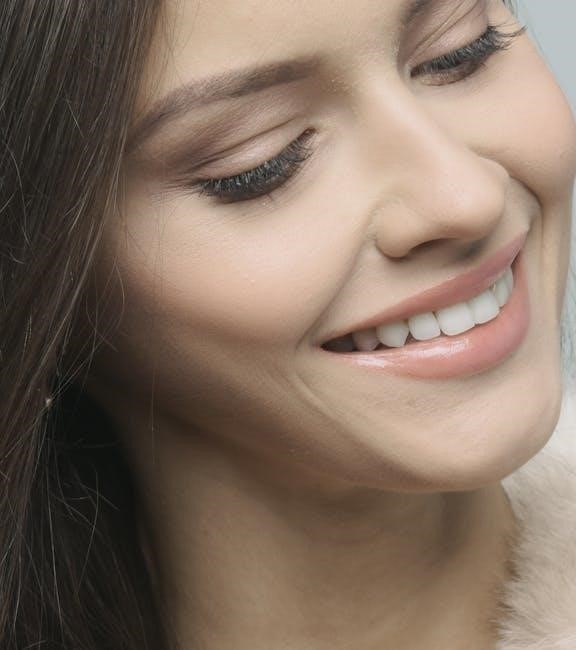
Volume lash extensions create a fuller, more dramatic look by applying multiple lightweight extensions to each natural lash. These extensions, typically ranging from 2-6 lashes per fan, are designed to mimic the fullness of natural lash growth cycles. This technique adds significant volume and dimension without damaging the natural lashes.
Volume lashes are ideal for clients with sparse or damaged natural lashes, or those desiring a bolder, more glamorous appearance. Proper application and lightweight extensions are crucial for maintaining lash health.
Hybrid Lash Extensions
Hybrid lash extensions offer a customized look by combining both classic and volume techniques. This approach strategically places individual classic lashes alongside volume fans, creating a textured, natural-looking fullness. The ratio of classic to volume lashes can be adjusted to suit individual preferences and natural lash health.
Hybrid sets are perfect for clients wanting enhanced volume without the intensity of full volume lashes, providing a soft, fluffy, and dimensional effect. It’s a versatile option for a variety of eye shapes.
Mega Volume Lash Extensions
Mega volume lash extensions represent the most dramatic lash enhancement, utilizing extremely fine lashes to create a bold, voluminous effect. Technicians apply multiple (typically 6-16) ultra-thin lashes to each natural lash, forming incredibly full fans. This technique requires advanced skill and precision to ensure the health of the natural lashes.
Mega volume is ideal for clients desiring a very glamorous and noticeable look, often preferred for special occasions. Proper application and aftercare are crucial to prevent damage.
Lash Materials: Choosing the Right Option
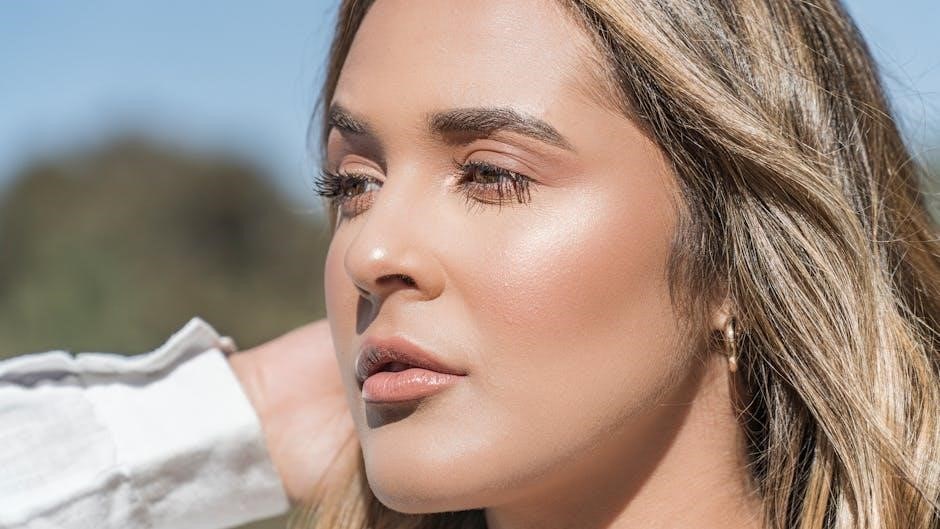
Selecting the right lash material is crucial for comfort, appearance, and longevity. Options include synthetic, silk, and mink lashes, each offering unique characteristics. Synthetic lashes are a popular, affordable, and hypoallergenic choice, providing consistent curl and thickness. Silk lashes offer a natural sheen and lightweight feel, while mink lashes—though luxurious—raise ethical concerns.
Consider client sensitivities and desired aesthetic when advising on material selection. Premium synthetic options closely mimic the look of natural lashes.
Synthetic Lashes
Synthetic lashes represent a versatile and widely-used option in lash extensions. They are crafted from materials like PBT fiber, offering excellent retention and a consistent curl. A key benefit is their hypoallergenic nature, making them suitable for clients with sensitivities. Synthetic lashes are also the most affordable choice, allowing for competitive pricing.
Modern synthetic lashes closely mimic the appearance of natural lashes, providing a beautiful and customizable look. They are a reliable choice for both classic and volume applications.
Silk Lashes
Silk lashes, despite their name, are typically a synthetic material designed to resemble the sheen of silk fibers. They are lighter and more flexible than some synthetic options, offering a more natural drape and comfortable wear. These lashes possess a beautiful luster, creating a soft, elegant look that many clients desire.
Silk lashes are a popular mid-range option, balancing affordability with a premium aesthetic. They work well for creating both natural and slightly more dramatic lash sets.
Mink Lashes
Historically, mink lashes were crafted from genuine mink fur, prized for their incredibly soft texture and natural appearance. However, due to ethical concerns and animal welfare considerations, many professionals now opt for high-quality synthetic mink lashes that mimic the look and feel of real mink.
These synthetic alternatives offer the same luxurious softness and lightweight comfort without harming animals. They provide a sophisticated, glamorous look, often preferred for special occasions or clients desiring maximum volume.
Understanding Lash Curls, Lengths, and Thicknesses
Achieving the desired lash look hinges on mastering curl, length, and thickness. Curl options range from subtle ‘J’ curls to dramatic ‘L’ curls, influencing lift and openness. Lengths vary to customize the effect, from natural enhancements to bold statements.
Thickness, measured in diameter, impacts fullness and the health of natural lashes. Proper selection, guided by a consultation, ensures a beautiful and sustainable result. Understanding these elements is crucial for a skilled lash artist.
Lash Curl Options (J, B, C, D, L)
Lash curls dramatically alter the eye’s appearance, offering diverse styles. ‘J’ curls provide a very natural, subtle lift, mimicking the natural lash. ‘B’ curls offer a bit more lift, while ‘C’ curls are popular for a noticeable curl. ‘D’ curls create a dramatic, lifted effect, and ‘L’ curls are the most curled, for a very open-eyed look.
Choosing the right curl depends on the client’s natural lashes and desired aesthetic. Skilled technicians consider these factors for optimal results.
Lash Lengths and Their Effects
Lash lengths, typically measured in millimeters, significantly impact the overall look. Shorter lengths (8-10mm) enhance natural lashes subtly, while 11-12mm lengths add moderate volume and definition. Longer lengths (13-15mm+) create a dramatic, glamorous effect. Length selection must consider the natural lash strength to avoid damage.
A skilled lash artist will customize lengths, often using a combination, to achieve a balanced and flattering result for each client’s eye shape.
Lash Thickness (Diameter) Explained
Lash thickness, measured in diameter (usually 0.15mm, 0.18mm, or 0.20mm), determines the fullness and texture of the extensions. Thinner diameters (0.15mm) offer a more natural, delicate look, ideal for clients wanting subtle enhancement. 0.18mm provides a good balance between volume and natural appearance.
Thicker diameters (0.20mm+) create a bolder, more dramatic effect, but require stronger natural lashes to support the weight.
The Lash Extension Application Process
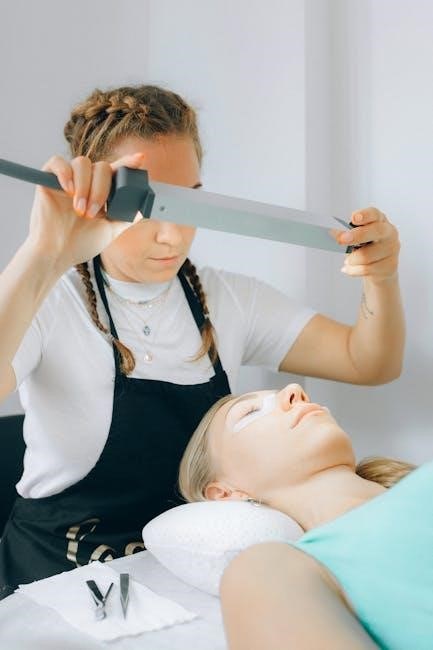
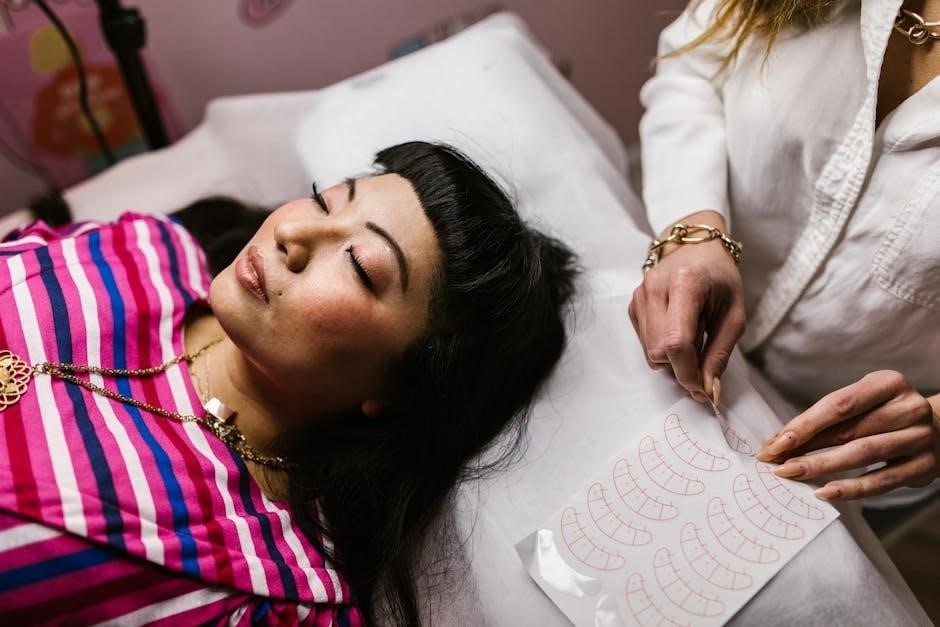
The process begins with a thorough preparation and consultation to discuss desired style and assess natural lash health. Crucially, each natural lash must be isolated using specialized tweezers to prevent sticking and ensure proper extension attachment.
The extension is then carefully bonded to the isolated natural lash with a safe, semi-permanent adhesive. This meticulous technique, repeated lash by lash, builds the desired volume and length.
Preparation and Consultation
A successful application starts with a detailed consultation, discussing client preferences for lash style, curl, length, and thickness. The technician assesses the natural lashes’ health, strength, and growth patterns to determine suitability and prevent damage.
Clients should arrive makeup-free, especially around the eyes, for optimal adhesion. Allergies and sensitivities are discussed, and a patch test may be recommended. This ensures a safe and personalized experience.
Isolation of Natural Lashes
Precise isolation is crucial for preventing lash damage and ensuring a neat, long-lasting result. Using specialized isolation tweezers, the technician carefully separates each natural lash from its neighbors.
This prevents accidental bonding, which can cause discomfort, uneven appearance, and potential harm to the natural lashes. Proper isolation requires skill and patience, forming the foundation for a flawless extension application. It’s a fundamental technique for professional lash artists.
Extension Attachment Technique
The attachment process involves applying a small amount of adhesive to the base of the extension, then carefully bonding it to a single, isolated natural lash. Maintaining a consistent “lash distance” – the space between the extension base and eyelid skin – is vital for comfort and appearance.
Technicians must avoid sticking extensions together or to the skin. Proper technique ensures a natural look, prevents damage, and maximizes the lifespan of the extensions, requiring ongoing training and refinement.
Lash Extension Aftercare: Maintaining Your Look
Proper aftercare is crucial for longevity and health of your extensions. Gently clean lashes daily with a specialized cleanser, avoiding oil-based products which break down the adhesive bond. Brush lashes with a spoolie to maintain shape and prevent tangling.
Avoid rubbing or pulling at the extensions, and be mindful of your sleeping position. Regular fill-in appointments (every 2-3 weeks) are essential to replace shed lashes and maintain a full, beautiful look.
Cleaning and Brushing Guidelines
Gentle cleansing is paramount; use a lash extension-safe cleanser to remove makeup and debris daily. Avoid harsh rubbing, opting for a soft brush or your fingertips. Brush lashes daily with a clean spoolie, starting from the base and gently working towards the tips to detangle and maintain shape.
Focus on the lash line, removing any buildup. Avoid oil-based products near the eyes, as they weaken the adhesive. Proper cleaning prevents infections and extends lash life.
Avoiding Oil-Based Products
Oil breaks down the adhesive used in lash extensions, significantly shortening their retention. Steer clear of oil-based makeup removers, cleansers, and skincare products around the eye area. This includes many mascaras, eyeliners, and even some facial moisturizers.
Opt for water-based alternatives specifically formulated for lash extensions. Regular exposure to oil compromises the bond, leading to premature shedding and the need for more frequent fills.
Sleep Considerations
Your sleep position impacts lash extension longevity. Avoid sleeping on your stomach as this causes friction and crushes the lashes against your pillow. Sleeping on your back is ideal, but if you’re a side sleeper, consider a silk or satin pillowcase.
These materials reduce friction, minimizing lash distortion and breakage. Consistent pressure can weaken the adhesive bond, leading to faster shedding and a less full appearance. Prioritize gentle sleep habits!
Potential Risks and Considerations
While generally safe, lash extensions carry potential risks. Allergic reactions to adhesive are possible, manifesting as redness, itching, or swelling. Improper application can damage natural lashes, leading to breakage or even traction alopecia.
Maintaining hygiene is crucial to prevent infection. Ensure your technician uses sterile tools and follows proper sanitation protocols. Report any discomfort immediately to avoid complications and preserve your natural lash health.
Allergic Reactions
Allergic reactions to lash extension adhesive are a significant concern. Symptoms can range from mild irritation – redness, itching, and slight swelling – to more severe responses. Sensitivity to cyanoacrylate, a common adhesive component, is frequently the culprit.
A patch test is recommended before a full application to assess potential reactivity. If a reaction occurs, immediate removal of the extensions and consultation with a medical professional are vital for proper treatment.
Natural Lash Damage
Improper lash extension application or aftercare can lead to natural lash damage. Overly heavy extensions, incorrect isolation, or forceful removal can weaken and break natural lashes. Repeated, long-term use without proper breaks can also contribute to thinning.
Choosing a skilled and certified lash technician is crucial to minimize risk. Following aftercare instructions diligently – avoiding oil-based products and excessive rubbing – supports lash health and prevents breakage.
Infection Prevention
Maintaining strict hygiene is paramount to prevent infections during lash extension procedures. Technicians must thoroughly sanitize all tools and surfaces, utilizing hospital-grade disinfectants. Proper handwashing before, during, and after the application is essential.
Clients should inform their technician of any eye conditions or sensitivities. Avoiding water contact for the first 24-48 hours post-application minimizes bacterial growth; Any signs of redness, swelling, or discharge warrant immediate medical attention.
Lash Extension Training and Certification
Becoming a certified lash technician requires comprehensive training from reputable academies. Options include Pearl Lash, offering marketing advice and network listings, and Aki Lashes, known for foundational courses. Sugarlash PRO provides online modules for ongoing skill enhancement.
Course content covers lash shapes, curls, lengths, and materials. Certification validates competency, opening doors to professional networks. Refresher courses, like those offered by Pearl Lash, ensure technicians stay updated with industry best practices and evolving techniques.
Finding Reputable Training Courses (Aki Lashes, Pearl Lash, Sugarlash PRO)
Selecting the right training is crucial; consider Aki Lashes for a solid foundation in lash extensions and brow lamination. Pearl Lash distinguishes itself with marketing guidance and a professional network for graduates, plus Spanish-language materials. Sugarlash PRO offers convenient online courses for active professionals seeking to refine their skills.
Look for programs including starter kits and lifetime refresher options, ensuring ongoing support and updated techniques. Thorough research and reviews are vital for a worthwhile investment.
Course Content: Fundamentals and Advanced Techniques
Comprehensive courses cover lash shapes, styles, curls, lengths, and materials, explaining the aesthetic effects of each. Essential fundamentals include proper isolation techniques and safe extension attachment methods. Advanced modules may explore specialized styles like anime or wet lashes – though caution is advised with unregulated online tutorials.
Expect training in theory, practical application, and industry best practices, preparing you for a successful career as a lash artist.
Certification and Professional Networks
Upon completing a reputable course, like those offered by Pearl Lash, Aki Lashes, or Sugarlash PRO, you’ll receive certification validating your skills. Many programs, such as Pearl Lash’s, provide lifetime refresher training to graduates, ensuring continued professional development.
Networking opportunities, like the Pearl Lash network of professionals, are invaluable for support, collaboration, and staying current with industry trends.
Cost of Lash Extensions: What to Expect
Initial application costs vary based on location, lash type (classic, volume, etc.), and the technician’s experience. Expect to pay a premium for skilled artists and higher-quality materials. Fill-in appointments, typically needed every 2-3 weeks, are less expensive than the initial full set.
Factors influencing price include lash material, length, and the complexity of the desired style. Adhesive subscriptions, like those offered by Lashbox LA, can help manage ongoing supply costs.
Initial Application Costs
The first appointment is the most substantial investment, encompassing a full set of lash extensions and a thorough consultation. Costs generally range from $100 to $300+, depending on the salon’s location and the chosen lash style – classic being the most affordable, while volume and mega volume are pricier.
Expect to budget more for experienced technicians and premium lash materials. Starter kits included in training programs, like those from Pearl Lash, offset some initial supply expenses.
Fill-In Costs
Regular fill-in appointments are crucial to maintain a full lash look as natural lashes shed. These typically cost between $50 and $150, depending on the time elapsed since the initial application and the amount of lash regrowth. Fill-ins generally occur every two to three weeks.
Graduates of training programs, such as those offered by Sugarlash PRO, are equipped to provide these services. Consistent fills prevent gaps and preserve the overall aesthetic.
Factors Influencing Price
Several elements impact the overall cost of lash extensions. The technician’s experience and location play a significant role, with highly skilled artists and metropolitan areas often charging more. Lash type – classic, volume, or mega volume – also affects pricing, with more complex sets costing considerably more.
Additionally, the use of premium materials, like silk or mink (though synthetic is common), can increase the price. Training from academies like Pearl Lash influences skill and, therefore, cost.