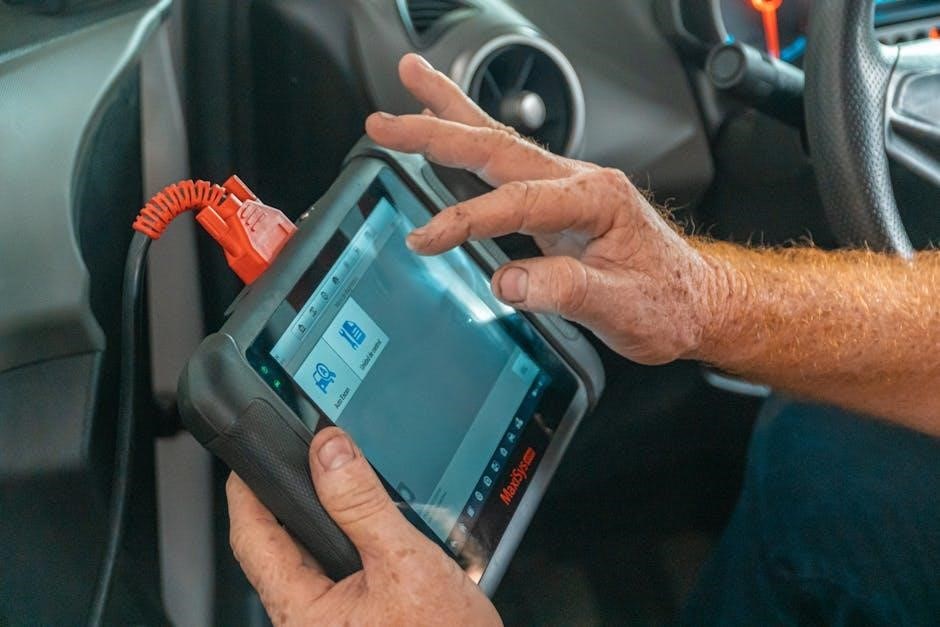
Navigating garage door issues can be daunting‚ but a systematic approach empowers homeowners to address common malfunctions and maintain functionality․
Regular inspections and prompt repairs ensure safety‚ security‚ and extend the lifespan of your garage door system‚ preventing costly replacements․
Understanding Your Garage Door System
A functional garage door relies on a complex interplay of components working in harmony․ The core system typically includes the door itself – constructed from sections of steel‚ wood‚ or aluminum – rollers‚ tracks‚ springs (torsion or extension)‚ and a garage door opener․ The opener houses the motor‚ rail‚ and logic board‚ controlling the door’s movement․
Safety sensors‚ crucial for preventing accidents‚ utilize infrared beams to detect obstructions․ These sensors halt and reverse the door’s operation if anything breaks the beam․ Understanding how each part contributes is vital for effective troubleshooting; For instance‚ worn rollers or misaligned tracks can cause binding‚ while spring issues pose significant safety risks․
The opener’s logic board interprets signals from the remote control and sensors‚ dictating the door’s actions․ Familiarizing yourself with these elements allows for a more targeted approach when diagnosing and resolving problems‚ ultimately saving time and potential repair costs․
Common Garage Door Problems: An Overview
Garage doors frequently encounter issues ranging from minor inconveniences to complete malfunctions․ A prevalent problem is the door failing to close completely‚ often due to sensor misalignment or obstructions in the path․ Conversely‚ a door refusing to open can stem from a dead remote battery‚ a tripped circuit breaker‚ or a frozen opener․
Sticking or jammed doors typically indicate roller issues‚ track misalignment‚ or a lack of lubrication․ Unusual noises – squeaking‚ grinding‚ or rattling – often signal worn rollers‚ spring problems‚ or a need for lubrication․ Neglecting maintenance‚ particularly rail lubrication‚ accelerates wear and tear․
Remote control failures are common‚ easily addressed with battery replacements․ However‚ more complex issues like logic board malfunctions may require professional attention․ Proactive identification of these common problems allows for quicker resolution and prevents further damage․
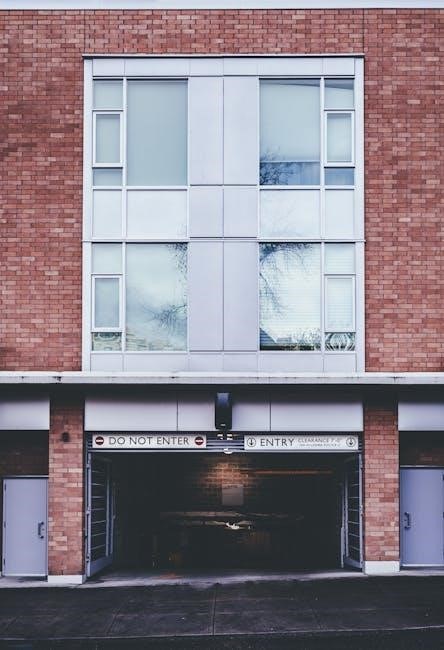
Safety First: Before You Begin
Prioritize safety by disconnecting power to the garage door opener before any inspection or repair work․ Always wear appropriate protective gear‚ including gloves and eyewear․
Disconnecting the Power
Before commencing any troubleshooting or repair work on your garage door‚ the absolute first step is to disconnect the power supply․ This is paramount for your safety and prevents accidental operation of the door during maintenance․ Locate the garage door opener’s power source – typically a standard electrical outlet near the motor unit․
Simply switching off the wall switch might not be sufficient‚ as some openers retain residual power․ For complete safety‚ locate the circuit breaker in your electrical panel that controls the garage door outlet and switch it to the ‘off’ position․ Confirm the power is off by attempting to operate the door with the remote or wall button; it should not respond․
If you are unsure about electrical work‚ or cannot confidently identify the correct circuit breaker‚ consult a qualified electrician․ Never proceed with repairs if you are uncomfortable or uncertain about any aspect of the process․ Taking this precaution minimizes the risk of electric shock and ensures a safe working environment․
Wearing Protective Gear
Safety is crucial when working on a garage door‚ as components are under significant tension and repairs can involve potential hazards․ Always wear appropriate protective gear to minimize the risk of injury․ Essential items include work gloves to protect your hands from sharp edges‚ dirt‚ and potential pinches․

Eye protection‚ such as safety glasses or goggles‚ is vital to shield your eyes from flying debris‚ dust‚ or accidental sprays of lubricant․ Sturdy‚ closed-toe shoes are a must to protect your feet from falling tools or heavy parts․ Depending on the repair‚ a hard hat may be advisable‚ particularly when working beneath the door or near the tracks․
Consider wearing long sleeves and pants to provide additional skin protection․ If lubrication is involved‚ ensure adequate ventilation and avoid contact with skin and eyes․ Prioritizing personal protective equipment demonstrates a commitment to safe repair practices and reduces the likelihood of accidents․

Diagnosing the Problem
Accurate diagnosis is key to effective garage door repair; observe the door’s behavior carefully‚ noting any unusual sounds‚ movements‚ or obstructions before proceeding․
Garage Door Won’t Close
If your garage door refuses to close completely‚ several factors could be at play․ First‚ ensure there are no obstructions in the door’s path – even small items can trigger the safety sensors․ Wipe down the sensors located near the floor on both sides of the door‚ as dirt or debris can interfere with their function․
Check the photo-eye alignment; these sensors must be perfectly aligned to allow the door to close․ If the lights on the sensors are blinking‚ it indicates a misalignment․ Next‚ examine the door tracks for any bends or obstructions․ A manual lift test – with the power disconnected – can reveal if there’s excessive friction․
Consider the possibility of a remote control issue or a problem with the wall-mounted switch․ Finally‚ a faulty limit switch might be preventing the door from recognizing when it’s reached the closed position․ Addressing these potential causes systematically will help pinpoint the problem and restore functionality․
Garage Door Won’t Open
When your garage door stubbornly refuses to open‚ begin by verifying the power supply․ Check the circuit breaker and ensure it hasn’t tripped․ Confirm the garage door opener is receiving power․ Next‚ inspect the remote control – a dead battery is a common culprit․ Try using the wall-mounted switch to bypass the remote․
If the wall switch fails too‚ the issue likely lies with the opener itself․ Listen for the motor attempting to run; if it’s silent‚ there could be a motor or capacitor problem․ A disconnected emergency release cord can also prevent operation – ensure it’s properly connected․
Examine the springs (with caution – professional help is recommended for spring issues)․ Broken springs are a frequent cause of door failure․ Finally‚ consider a logic board malfunction within the opener‚ potentially requiring professional diagnosis and repair․
Garage Door is Stuck or Jammed
A stuck or jammed garage door presents a frustrating obstacle‚ often stemming from physical obstructions․ Begin by visually inspecting the door’s path‚ clearing away any debris‚ snow‚ or items blocking its movement․ Manually lift the door (after disengaging the opener) to assess the point of resistance – this helps pinpoint the jam’s location․
Check the rollers within the tracks; worn or damaged rollers can bind‚ hindering smooth operation․ Ensure the tracks themselves are aligned and free of dents or obstructions․ Lubricating the rollers and tracks can often resolve minor sticking issues․
If the door remains jammed‚ suspect a problem with the springs or opener․ Do not force the door‚ as this could cause further damage․ Professional assistance is recommended for spring-related issues or if the opener seems to be the source of the jam․
Garage Door is Making Noise
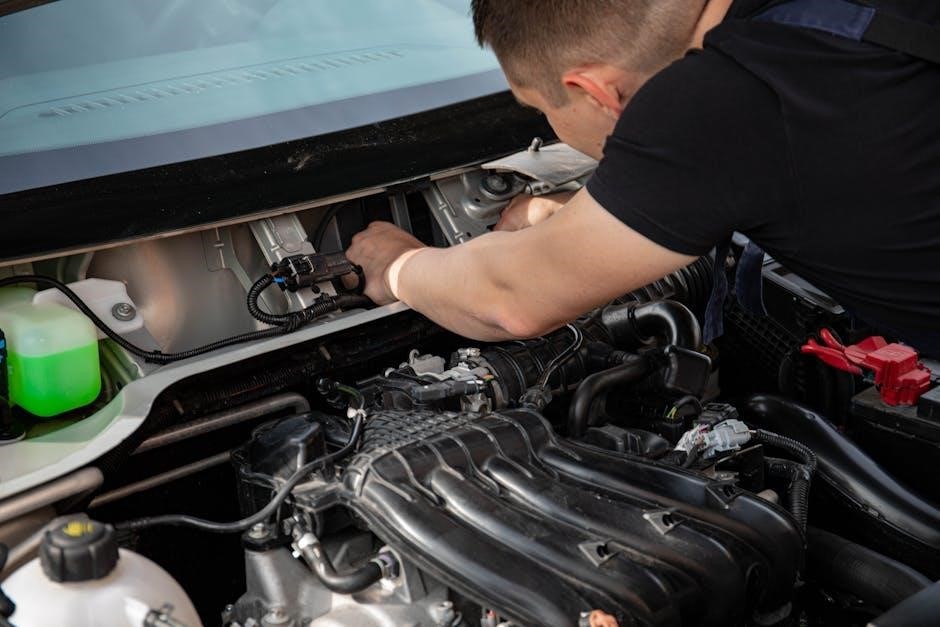
Unusual noises emanating from your garage door signal potential issues requiring attention․ Squeaking sounds often indicate a lack of lubrication on rollers‚ hinges‚ or tracks; apply a garage door lubricant to these moving parts․ Grinding noises may point to worn-out rollers or a problem with the opener’s gears – inspection and potential replacement are necessary․
Rumbling or shaking could signify spring issues; torsion springs and extension springs require professional evaluation and repair․ Never attempt to adjust or repair springs yourself due to the inherent danger․ Clicking sounds often relate to the safety sensors – ensure they are aligned and clean․
Persistent or escalating noises warrant a professional garage door service to diagnose and address the underlying cause‚ preventing further damage and ensuring safe operation․

Specific Troubleshooting Steps
Detailed examination and targeted solutions are crucial for effective garage door repair‚ ranging from simple adjustments to component replacements for optimal performance․
Roller Issues and Replacement
Garage door rollers are vital components‚ facilitating smooth and quiet door operation along the tracks․ Worn or damaged rollers often manifest as squeaking noises‚ uneven movement‚ or difficulty opening/closing the door․ Inspect rollers regularly for cracks‚ flat spots‚ or excessive wear․ A simple test involves manually lifting the door slightly and observing the rollers’ condition․
Replacing rollers is a relatively straightforward DIY task‚ though safety precautions are essential․ Begin by disconnecting the power to the opener․ Support the door securely with clamps or a sturdy ladder before removing the old rollers․ Ensure you purchase rollers compatible with your door’s track and bracket system․ Installing new rollers involves sliding them into the bracket and securing them properly․ Lubricating the rollers post-installation ensures continued smooth operation․ Ignoring roller issues can lead to track damage and more extensive repairs‚ so proactive maintenance is key․
Old garage door rollers are a common issue․
Track Alignment Problems
Misaligned garage door tracks are a frequent cause of operational issues‚ ranging from binding and jamming to complete failure․ Tracks should run perfectly parallel‚ allowing the rollers to move freely without resistance․ Visually inspect the tracks for bends‚ dents‚ or loose mounting brackets․ Use a level to confirm vertical tracks are plumb and horizontal tracks are level․
Correcting track alignment often involves tightening loose bolts and screws․ For minor bends‚ carefully attempt to straighten the track using a rubber mallet‚ protecting the metal with a cloth․ If brackets are damaged or severely misaligned‚ replacement may be necessary; Always disconnect the garage door opener before attempting any track adjustments․ Re-lubricating the tracks after alignment ensures smooth roller movement․ Ignoring track issues can exacerbate the problem‚ leading to further damage and potentially dangerous situations․ Removing obstructions from the door’s path is also crucial․
A sticking garage door may indicate track issues․
Spring Problems (Torsion & Extension) ‒ Caution: Professional Help Recommended
Garage door springs‚ whether torsion (mounted above the door) or extension (running along the sides)‚ bear the significant weight of the door․ A broken spring is extremely dangerous due to the immense tension stored within․ Attempting to repair or adjust springs without professional training is strongly discouraged and can result in severe injury or even fatality․
Signs of spring problems include a door that feels heavy to lift‚ struggles to open or close‚ or exhibits visible gaps in the spring coils․ Never attempt to disconnect‚ adjust‚ or replace a spring yourself․ Contact a qualified garage door technician immediately․ They possess the specialized tools and expertise to safely handle these components․ Regular inspections can help identify potential spring issues before they become critical‚ but any observed damage warrants professional attention․ Prioritize safety above all else when dealing with garage door springs․
Professional help is vital for spring issues․
Lubrication of Moving Parts
Regular lubrication is crucial for smooth‚ quiet garage door operation and preventing premature wear and tear․ Focus on all moving components: rollers‚ hinges‚ and the garage door opener’s rail․ Use a silicone-based lubricant specifically designed for garage doors; avoid oil-based products as they attract dirt and grime․
Apply lubricant sparingly to the rollers‚ ensuring they rotate freely․ Hinges should receive a light coating to eliminate squeaking․ The opener’s rail benefits from lubrication to reduce friction and noise․ Wipe away any excess lubricant to prevent buildup․ Addressing squeaks promptly with lubrication can often resolve minor issues before they escalate into larger problems․ Consistent lubrication‚ performed a couple of times a year‚ significantly extends the life of your garage door system and ensures optimal performance․
Proper lubrication is key to longevity․
Remote and Sensor Issues
Addressing remote and sensor malfunctions is vital for convenient and safe garage door operation; ensure proper alignment and functionality for seamless access․
Remote Control Battery Replacement
A frequently overlooked‚ yet crucial step in garage door troubleshooting is checking and replacing the batteries in your remote control․ Diminished battery power is a common culprit behind a remote’s inability to operate the door․ Begin by locating the battery compartment‚ typically on the back or side of the remote‚ and carefully opening it – often requiring a small screwdriver․
Observe the battery’s polarity (+ and -) before removal to ensure correct re-installation․ Replace the old battery with a new one of the same type‚ usually a CR2032 or similar coin cell battery․ Securely close the battery compartment․ After replacement‚ test the remote by pressing the button to activate the garage door․ If the door still doesn’t respond‚ double-check the battery installation and consider re-programming the remote to the garage door opener – consult your opener’s manual for specific instructions․
Remember that even a seemingly functional remote with a weak battery might have limited range‚ so a fresh battery is always the best first step․
Sensor Alignment and Cleaning
Garage door safety sensors‚ located near the floor on either side of the door opening‚ are vital for preventing accidental closures onto obstructions․ Misalignment or dirt accumulation on these sensors is a frequent cause of garage door malfunctions․ Begin by visually inspecting the sensors to ensure they are facing each other and are free from obstructions like cobwebs or debris․
Carefully clean the sensor lenses with a soft‚ dry cloth․ Avoid using liquids‚ as they can leave residue․ If misalignment is apparent‚ gently adjust the sensor brackets until the indicator lights on both sensors illuminate steadily․ A blinking light indicates misalignment․ Ensure the sensors are securely mounted after adjustment․
Proper alignment and cleanliness are crucial for the safety system to function correctly․ If issues persist after cleaning and alignment‚ consult the garage door opener’s manual or a professional for further assistance․
Safety Sensor Troubleshooting
When your garage door refuses to close‚ or reverses mid-closure‚ the safety sensors are often the prime suspects․ These sensors utilize an invisible infrared beam to detect obstructions․ A broken or interrupted beam signals the opener to halt and reverse‚ preventing damage or injury;
Start by checking the wiring connections to the sensors and the opener unit․ Loose or damaged wires can disrupt the signal․ Next‚ verify the sensors are properly aligned – look for steady indicator lights on both units․ Blinking lights signify misalignment․ If the lights are off‚ check the power supply to the sensors․
If alignment and wiring seem correct‚ test the sensors with a cardboard box․ Pass the box through the beam while attempting to close the door; the door should reverse․ If it doesn’t‚ a sensor may be faulty and require replacement․ Always prioritize safety when troubleshooting․

Opener Specific Problems
Addressing issues within the garage door opener itself often requires focused attention on the motor‚ rail‚ and logic board for optimal performance․
Diagnosing these components ensures smooth operation and resolves specific malfunctions related to the opener’s internal mechanisms․
Motor Rail Lubrication
Maintaining proper lubrication on the garage door opener’s motor rail is crucial for smooth‚ quiet operation and preventing premature wear․ Over time‚ the rail can become dry‚ leading to increased friction and strain on the motor․ This friction not only creates annoying noises but also forces the motor to work harder‚ potentially shortening its lifespan․
To lubricate the rail effectively‚ use a silicone-based lubricant specifically designed for garage door openers – avoid using oil-based lubricants as they can attract dirt and grime․ Apply the lubricant sparingly along the entire length of the rail‚ focusing on the areas where the trolley moves․ Wipe away any excess lubricant to prevent buildup․
Neglecting this simple maintenance task can lead to more significant problems down the road‚ including jerky movements‚ failure to open or close‚ and ultimately‚ the need for a costly opener replacement․ Regular lubrication‚ ideally twice a year‚ is a proactive step towards ensuring the longevity and reliability of your garage door system․
Limit Switch Adjustment
Garage door openers utilize limit switches to define the fully open and fully closed positions of the door․ Incorrectly adjusted limit switches are a frequent cause of doors that don’t fully open‚ close completely‚ or even reverse direction unexpectedly․ These switches tell the motor when to stop‚ preventing damage to the door and opener․
Adjustment typically involves small screws on the opener unit itself‚ labeled for “up” and “down” travel․ Minor adjustments – often ¼ turn at a time – are key․ After each adjustment‚ test the door’s full range of motion․ If the door reverses before reaching the floor‚ the down limit switch needs slight adjustment․ Conversely‚ if it doesn’t fully open‚ adjust the up limit switch․
Caution is advised; excessive adjustment can cause the door to overtravel‚ potentially damaging it․ If you’re uncomfortable making these adjustments‚ consulting a professional garage door technician is always recommended to ensure proper and safe operation․
Garage Door Opener Logic Board Issues
The logic board‚ often called the control board‚ is the “brain” of your garage door opener․ It manages all functions – safety sensors‚ remote control signals‚ and motor operation․ When experiencing erratic behavior‚ like the door operating spontaneously or failing to respond to commands‚ a faulty logic board is a potential culprit․
Diagnosing a logic board issue can be tricky․ Start by checking for blown fuses or loose wiring connections․ If those are intact‚ the board itself may be failing․ Replacing a logic board often requires matching the exact model number of your opener to ensure compatibility․
Due to the complexity and electrical components involved‚ logic board repair or replacement is generally best left to qualified garage door technicians․ Incorrect handling can lead to further damage or safety hazards․ A professional can accurately diagnose the problem and install a replacement board safely and effectively․

Preventative Maintenance
Proactive care‚ including regular inspections and timely weather stripping replacements‚ significantly reduces the likelihood of future garage door malfunctions and costly repairs․
Regular Inspections
Consistent visual checks are the cornerstone of preventative garage door maintenance․ At least twice a year – spring and fall are ideal – thoroughly inspect all visible components․ Begin with the rollers; look for wear‚ cracks‚ or flat spots‚ indicating a need for replacement․ Examine the tracks for bends‚ dents‚ or obstructions that could cause binding or jamming․
Pay close attention to the springs (torsion or extension)‚ but never attempt to adjust or repair them yourself – these are under extreme tension and require professional handling․ Check all bolts and fasteners to ensure they are tight․ Inspect the cables for fraying or rust․ Don’t forget the photo-eye sensors; ensure they are aligned and free of debris․ Finally‚ visually assess the door itself for any signs of damage‚ such as rust‚ rot‚ or warping․
Early detection of minor issues prevents them from escalating into major‚ expensive problems․ A proactive approach saves both money and potential inconvenience․
Weather Stripping Replacement
Garage door weather stripping plays a crucial role in maintaining a comfortable temperature inside your garage‚ preventing drafts‚ and keeping out pests and moisture․ Over time‚ weather stripping can become cracked‚ brittle‚ or compressed‚ reducing its effectiveness․ Replacement is a relatively simple DIY project that yields significant benefits․
Begin by carefully removing the old weather stripping․ Clean the surface where the new stripping will be applied to ensure a strong bond․ Measure the length of the door opening and cut the new weather stripping to size‚ using a utility knife․ Peel off the adhesive backing and carefully apply the new stripping‚ ensuring a tight seal against the door․
Pay attention to the bottom seal as well; this often wears out quickly․ Replacing worn weather stripping improves energy efficiency‚ reduces noise‚ and protects your garage contents from the elements‚ contributing to long-term savings and comfort․
Professional Servicing Schedule
While many garage door issues are manageable with DIY solutions‚ regular professional servicing is vital for maintaining optimal performance and safety․ A qualified technician can identify and address potential problems before they escalate into costly repairs․
A recommended servicing schedule includes a comprehensive inspection at least once a year‚ or twice yearly for frequently used doors․ This inspection should cover spring tension‚ cable integrity‚ roller condition‚ track alignment‚ and the functionality of the opener․ Technicians will lubricate moving parts‚ tighten hardware‚ and ensure safety features‚ like the auto-reverse mechanism‚ are working correctly․
Proactive maintenance extends the lifespan of your garage door system‚ prevents unexpected breakdowns‚ and ensures the safety of your family․ Ignoring professional servicing can lead to dangerous situations and expensive replacements down the line․