
Understanding Dress Sizes: A Comprehensive Guide
Navigating dress sizes can be tricky! This guide simplifies the process, offering insights into size charts and conversions across US, UK, and EU standards.
Accurate measurements – bust, waist, and hip – are key to finding your perfect fit, especially when shopping online for a dress.
Dress sizes are notoriously inconsistent, varying significantly between brands and even within the same brand over time. What you consider a size Medium in one store might feel entirely different – perhaps even a size smaller or larger – elsewhere. This frustrating reality stems from a lack of standardized sizing regulations within the fashion industry. Unlike some other clothing categories, there isn’t a universally enforced system for determining dress sizes.
Manufacturers often cater to their target demographic, resulting in “vanity sizing,” where sizes are labeled smaller to make customers feel better. Furthermore, different countries employ distinct sizing systems – US, UK, and European sizes don’t directly correlate. A size guide is essential! Understanding these variations is the first step towards finding clothes that truly fit. Accurate self-measurement, coupled with careful review of each brand’s specific size chart, is crucial for successful dress shopping;
Boohoo and ASOS offer detailed size guides to assist shoppers.
Why Dress Sizes Differ Between Brands
The inconsistency in dress sizes across brands isn’t accidental; it’s a complex issue rooted in manufacturing practices and target markets. Brands often design for a specific body type, leading to variations in cut, fit, and overall sizing. Some brands prioritize a more relaxed fit, while others favor a slimmer silhouette, impacting how sizes are assigned.
“Vanity sizing” plays a significant role, with many brands intentionally labeling garments smaller to appeal to consumers. This practice creates a psychological benefit but exacerbates the confusion surrounding sizes. Moreover, production costs and sourcing of materials can influence sizing. Different fabric compositions and manufacturing locations can result in variations in garment dimensions.
A reliable size guide is therefore vital. Always consult the specific size chart provided by each brand, paying close attention to bust, waist, and hip measurements. Don’t rely solely on your usual size; measurements are key to finding the perfect dress fit, as highlighted by resources like ASOS’s sizing information.
Key Measurements for Dress Fitting
Accurate measurements are paramount when selecting the correct dress size. Three key areas – bust, waist, and hips – dictate the fit and overall appearance of a garment. Begin with the bust measurement, taken around the fullest part of your chest, keeping the tape measure level. Next, measure your waist at the narrowest point, typically an inch above your belly button, ensuring a snug but comfortable fit.
Finally, measure your hips at the fullest part, again keeping the tape measure level. Compare these measurements against the brand’s specific size guide or size chart. Remember, these measurements are a starting point; consider the dress style and desired fit.
Resources like boohoo emphasize the importance of these measurements for finding the perfect match. Don’t assume your usual size; always measure yourself before purchasing, especially when shopping online, to avoid disappointment and ensure a flattering silhouette.
Bust Measurement: How to Measure
To obtain an accurate bust measurement, begin by standing naturally with your arms relaxed at your sides. Wrap a flexible measuring tape around the fullest part of your bust, ensuring the tape is level all the way around your body. This is typically across the nipples, but may vary depending on your individual shape.
Avoid pulling the tape too tightly, as this will result in an inaccurate, smaller measurement. Conversely, don’t let it hang loosely. The tape should be snug but comfortable. Breathe normally during the measurement process – don’t hold your breath or suck in your stomach, as this can alter your natural bust size.
It’s helpful to wear a properly fitted, non-padded bra during measurement for the most reliable results. Record the measurement in inches or centimeters, and refer to the specific dress size chart of the brand you are considering. Remember, bust size is a crucial factor in determining the correct dress size.
Waist Measurement: Accurate Techniques
Accurately measuring your waist is vital for a well-fitting dress. Locate your natural waistline – this is the narrowest part of your torso, typically found about an inch above your belly button. Stand naturally with your feet shoulder-width apart and relax your abdomen; avoid sucking in your stomach.
Wrap a flexible measuring tape around your natural waistline, ensuring it’s level all the way around your body. The tape should be snug but not constricting. Breathe normally during the measurement; holding your breath can alter the reading. It’s best to measure over light clothing or directly against your skin.
Avoid measuring over bulky clothing, as this will add unnecessary inches. Record your waist measurement in inches or centimeters. Compare this measurement to the dress size chart provided by the retailer to determine your corresponding size. Remember that waist measurements can vary significantly between brands.
Hip Measurement: Finding Your Correct Size
Measuring your hips accurately is crucial, especially for fitted dresses like bodycon styles or those with detailed hip designs. Stand with your feet together and your weight evenly distributed. Ensure your posture is relaxed and natural; avoid tilting your hips.
Wrap a flexible measuring tape around the fullest part of your hips and buttocks. This is typically about 7-9 inches below your natural waistline. The tape should be level all the way around your body, and snug but not tight. Breathe normally during the measurement – don’t suck in your stomach or flex your glutes.
Record your hip measurement in inches or centimeters. Compare this measurement to the dress size chart provided by the retailer. Hip measurements, alongside bust and waist, are key to finding the correct size. Remember that hip sizes can vary significantly between brands and styles.
Standard US Dress Sizes Chart
Understanding the US dress size system is the first step towards a perfect fit. However, remember these are averages, and variations between brands are common. This chart provides a general guideline, but always consult the specific size guide for each garment.

| Size | Bust (in) | Waist (in) | Hip (in) |
|---|---|---|---|
| XXS | 31 | 23.5 | 34.5 |
| XS | 32 | 24.5 | 35.5 |
| 2 | 33.5 | 26 | 36 |
| 4 | 35 | 27.5 | 37.5 |
| 6 | 36 | 28.5 | 38.5 |


Use these measurements as a starting point, but prioritize trying on dresses or carefully reviewing detailed size charts. Consider the dress style – a-line, bodycon, or maxi – as fit can differ significantly.
UK Dress Sizes Conversion
Converting between US and UK dress sizes can be confusing, as the systems differ. The UK system generally runs smaller than the US. This conversion chart offers a helpful reference, but always double-check the retailer’s specific size guide, as discrepancies can occur between brands.
| US Size | UK Size | Bust (in ⎼ approx.) | Waist (in ⎯ approx.) |
|---|---|---|---|
| 00 | 4 | 30-32 | 23-25 |
| 0 | 6 | 32-34 | 25-27 |
| 2 | 8 | 34-36 | 27-29 |
| 4 | 10 | 36-38 | 29-31 |
| 6 | 12 | 38-40 | 31-33 |

Remember, these are approximate conversions. Prioritize accurate measurements and consult the individual dress’s size chart for the most reliable fit. Consider the dress style when selecting a size.
European (EU) Dress Sizes Explained
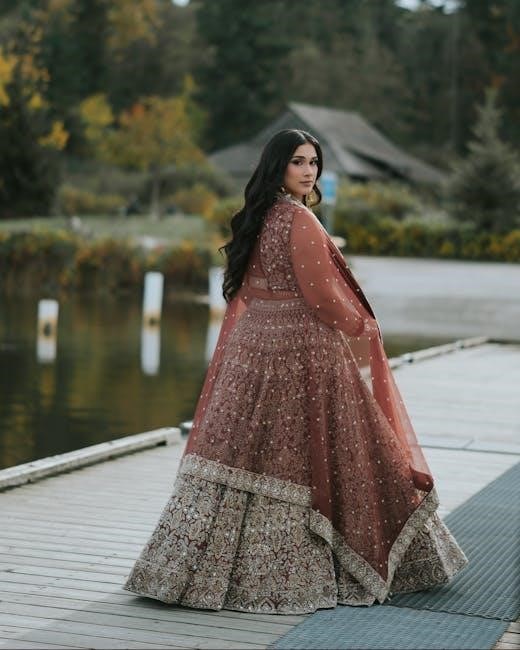
European (EU) dress sizes present another layer of complexity when shopping internationally. Unlike US or UK systems, EU sizes are often numerical and can vary slightly between countries. Generally, EU sizing tends to run larger than US sizes, but smaller than UK sizes, creating potential confusion.
| US Size | UK Size | EU Size | Bust (cm ⎼ approx.) |
|---|---|---|---|
| 00 | 4 | 34 | 76-79 |
| 0 | 6 | 36 | 79-82 |
| 2 | 8 | 38 | 82-85 |
| 4 | 10 | 40 | 85-88 |
| 6 | 12 | 42 | 88-91 |
Always refer to the specific retailer’s size guide, as EU sizing isn’t standardized. Prioritize your bust, waist, and hip measurements and compare them to the dress’s detailed size chart for the best fit.
Decoding Dress Size Charts
Dress size charts are your most valuable tool for accurate sizing, but understanding them requires careful attention. Charts typically list measurements for bust, waist, and hip, often in both inches and centimeters. Don’t assume your usual size will fit; always measure yourself before ordering, as variations between brands are common.
Focus on the actual measurements, not the labeled size. A dress labeled “Medium” in one store might fit differently than a “Medium” elsewhere. Compare your body measurements to the chart’s corresponding size range. If you fall between sizes, consider the dress’s style – a more fitted style might require sizing up.
Pay attention to length considerations. Charts may include total length or skirt length, crucial for maxi dresses or those with specific hemline preferences. Always check the retailer’s specific guide for detailed information and consider reading customer reviews for fit feedback.
Understanding Size Charts: Bust, Waist, and Hip
Bust measurement is taken at the fullest part of your chest, keeping the tape measure level across your back. Ensure you’re wearing a properly fitted bra for the most accurate reading. The waist measurement should be taken at the narrowest part of your torso, typically an inch or two above your belly button; don’t suck in your stomach!
For hip measurement, stand with your feet together and measure around the fullest part of your hips and buttocks, again keeping the tape measure level. These three measurements are crucial for determining your correct dress size, as they dictate how the garment will fit and drape.
Remember that size charts often provide ranges for each size. If your measurements fall within different size ranges for bust, waist, and hip, consider the dress style and choose the size that accommodates your largest measurement. Prioritize comfort and a flattering fit!
Length Considerations in Dress Size Guides
Dress length is a frequently overlooked aspect of sizing, yet it significantly impacts the overall fit and appearance. Size guides often specify standard lengths, but these can vary considerably between brands and dress styles. Knee-length skirts, for example, typically measure around 48-52cm (19-20 inches) from the waistline to the hem.
Maxi dresses require careful attention to length, as petite or tall frames may necessitate alterations. Consider your height and the desired aesthetic – a floor-grazing maxi versus one that hits mid-calf. Always check the garment’s length measurement against your own body proportions.
Furthermore, different dress styles, like A-line or bodycon, will naturally have different length requirements for a flattering fit. Don’t solely rely on numerical sizes; prioritize the actual length measurement to ensure the dress complements your figure.
Specific Dress Styles and Sizing
Dress styles dramatically influence how a garment fits, meaning a standard size isn’t universally applicable. A-line dresses, known for their flattering silhouette, generally offer more forgiving fits around the waist and hips, allowing for slight variations in measurement. However, ensure the bust fits correctly for optimal comfort.
Bodycon dresses, conversely, require a more precise fit. These cling to the body, emphasizing curves, so accurate bust, waist, and hip measurements are crucial. Size up if you’re between sizes, prioritizing comfort and avoiding visible lines.
Maxi dresses present unique sizing challenges, particularly regarding length. Consider your height and whether you prefer a floor-grazing or shorter hemline. Pay attention to the fabric; stretchy materials offer more flexibility than structured ones. Always consult the specific brand’s size guide for the most accurate fit.
A-Line Dresses: Sizing Tips
A-line dresses are celebrated for their universally flattering shape, but achieving the perfect fit still requires careful consideration. These dresses, fitted at the shoulders and gradually widening towards the hem, offer more leeway than bodycon styles. However, focusing on bust and waist measurements remains paramount.
If your bust measurement falls between sizes, it’s generally advisable to size up, particularly if you have a fuller bust. The A-line silhouette will naturally accommodate a slightly larger waist and hips. Conversely, if you’re smaller-busted, you might prefer sizing down for a more defined waist.
Pay attention to the fabric composition. Stretchy materials provide greater flexibility, while stiffer fabrics may require a more precise fit. Always consult the brand’s specific size guide, as variations exist. Consider reading customer reviews for insights into how the dress typically runs – true to size, large, or small.
Bodycon Dresses: Finding the Right Fit
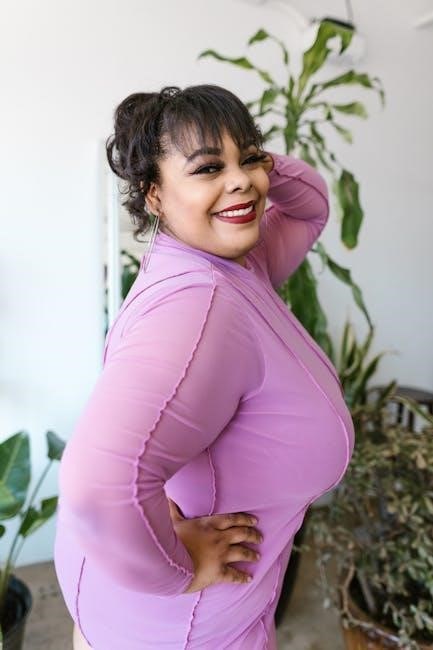
Bodycon dresses, known for their figure-hugging silhouette, demand a precise fit for a flattering look. Unlike looser styles, these dresses offer minimal forgiveness, making accurate measurements crucial. Prioritize hip and waist measurements, as these areas define the dress’s shape.
If your hip measurement is on the higher end of a size range, it’s generally best to size up. A dress that’s too tight around the hips can be unflattering and uncomfortable. Conversely, if your waist is significantly smaller than your hips, consider whether the dress can be tailored for a more defined waistline.
Fabric plays a significant role. Dresses with more stretch will be more accommodating, while those with less stretch require a closer match to your measurements. Always refer to the brand’s size guide and read reviews to understand how the dress typically fits. Don’t hesitate to order multiple sizes to find the perfect one!

Maxi Dresses: Length and Size Considerations
Maxi dresses present unique sizing challenges due to their length. Beyond standard bust, waist, and hip measurements, consider your height! A maxi dress that fits perfectly in the bodice and waist can be too short or too long depending on your stature. Many brands specify the dress length in their size guide, measured from shoulder to hem.
If you’re petite, look for maxi dresses specifically designed for shorter frames, or be prepared for alterations. Taller individuals should check the length to ensure it reaches the ankle or floor, as desired. Pay attention to sleeve length as well, as this can also vary significantly between sizes.
The style of the maxi dress also impacts fit. A-line maxis offer more room, while fitted styles require more precise measurements. Consider the fabric; lighter fabrics drape differently than heavier ones. Always check return policies before purchasing, allowing you to try on and assess the length and overall fit.
Online Shopping and Size Guides
Online dress shopping demands careful attention to size guides, as trying before you buy isn’t an option. Each retailer’s chart can differ significantly, so avoid assuming your usual size will fit. Prioritize finding and meticulously reviewing the specific size chart for the brand and dress style you’re considering.
Look beyond just S, M, L. Focus on the numerical measurements – bust, waist, and hip – and compare them to your own. Don’t rely solely on customer reviews regarding sizing, as body shapes vary. Take accurate measurements yourself, or better yet, have a friend assist you for precision.
Many online stores now offer detailed fit information, including model measurements and how the garment fits (e.g., true to size, runs small). Utilize these resources! Check the retailer’s return policy before purchasing, ensuring a hassle-free exchange if the fit isn’t perfect.
Return Policies and Exchanges
A generous and clear return policy is crucial when buying dresses online, given the inherent challenges of sizing. Before finalizing your purchase, thoroughly review the retailer’s guidelines regarding returns and exchanges. Pay close attention to the timeframe allowed for returns – typically ranging from 14 to 30 days – and any associated costs, such as return shipping fees.
Understand the conditions for a successful return. Most retailers require items to be unworn, unwashed, with original tags attached. Some may offer free return shipping, or provide a prepaid return label. Check if exchanges are permitted, and if so, whether they depend on stock availability.
Keep a copy of your order confirmation and the return shipping label for your records. If you encounter any issues with the return process, contact the retailer’s customer service promptly. A straightforward exchange process minimizes frustration when a dress doesn’t fit.
Tips for Finding Your Perfect Dress Size
Don’t rely solely on your usual size! Dress sizes vary significantly between brands. Always consult the specific size guide provided by the retailer before making a purchase. Accurate self-measurement is paramount – enlist a friend for assistance if possible, ensuring the tape measure is level and snug, but not tight.
Compare your measurements to the brand’s size chart, focusing on bust, waist, and hip. If your measurements fall between sizes, consider sizing up, especially for fitted styles like bodycon dresses. Read customer reviews; they often provide valuable insights into whether a garment runs true to size.
Pay attention to fabric composition. Stretchy fabrics offer more flexibility, while non-stretch fabrics require a more precise fit. When in doubt, order two sizes and return the one that doesn’t fit. Prioritize comfort and confidence!
Common Sizing Issues and Solutions
A frequent issue is inconsistent sizing across brands – a medium in one store might be a small elsewhere. Another common problem is inaccurate self-measurement; ensure the tape measure is level and snug, not tight. Variations in garment construction also contribute to fit discrepancies.
If a dress feels too tight, consider exchanging it for a larger size or exploring styles with more forgiving fabrics. For dresses that are too loose, a tailor can often adjust the fit. Pay attention to length; maxi dresses and skirts require accurate length measurements.
Online shopping often presents challenges. Utilize retailer size guides and read customer reviews. If unsure, order two sizes and return the ill-fitting one. Don’t hesitate to contact customer service for assistance – they can often provide personalized sizing advice.
Resources for Further Size Assistance
For personalized fit advice, many retailers, like ASOS and boohoo, offer detailed size guides on their websites, including measurement instructions and size charts. These often feature visual aids and specific details for different dress styles.
Online communities and forums dedicated to fashion and sizing can provide valuable insights from other shoppers. Websites offering body shape analysis can help determine which styles best complement your figure. Professional bra fitters can also assist with accurate bust measurements, crucial for dress fit.
Consider utilizing virtual try-on tools, if available, to visualize how a garment might look on your body. Tailors and seamstresses are excellent resources for alterations and achieving a perfect fit. Don’t overlook manufacturer websites; they frequently provide specific sizing information for their products.