Understanding Surescreen Diagnostics Pregnancy Tests
Surescreen offers reliable, easy-to-use pregnancy tests in strip and cassette formats, providing early diagnosis with over 99% accuracy; follow instructions carefully for optimal results.
What is a Surescreen Pregnancy Test?
Surescreen Diagnostics pregnancy tests are immunoassay devices designed for the rapid, qualitative detection of human chorionic gonadotropin (hCG) in urine. These tests are utilized to determine pregnancy status, offering a convenient and private method for early detection. Available in both strip and cassette formats, Surescreen tests boast an accuracy rate exceeding 99%, making them a trusted choice for home pregnancy testing.
The tests function by detecting the presence of hCG, a hormone produced during pregnancy. They are CE marked, signifying adherence to European health, safety, and environmental protection standards. Surescreen tests are known for their ease of use and affordability, providing a reliable solution for individuals seeking early pregnancy confirmation.
Types of Surescreen Pregnancy Tests Available
Surescreen Diagnostics primarily offers two formats for their pregnancy tests: strip and cassette. The strip format is a cost-effective option, requiring direct immersion of the test strip into the urine sample for at least 15 seconds, ensuring the urine reaches the maximum line. The cassette format utilizes a dropper to apply a precise amount – three full drops – of urine to a designated specimen well.
Both formats employ immunoassay technology and deliver results quickly. The cassette format is often preferred for its ease of handling and clear result window. Regardless of the chosen format, all Surescreen tests are designed for single use and provide highly accurate results when used correctly.
Preparing for the Test
For accurate results, use the first urine of the morning, read the instructions thoroughly, and understand the test’s 25 mIU/ml sensitivity level.
When to Take the Test for Optimal Results
To achieve the most accurate result with a Surescreen pregnancy test, timing is crucial. It’s generally recommended to take the test as soon as you suspect you might be pregnant, but waiting until after a missed period significantly increases accuracy. This is because the concentration of human chorionic gonadotropin (hCG), the hormone detected by the test, increases rapidly after implantation.
While the Surescreen test is designed for early detection, testing too early can lead to a false negative result. Using the first urine of the morning is highly advised, as it contains the highest concentration of hCG if you are pregnant. Avoid excessive fluid intake before testing, as this can dilute the urine and potentially affect the outcome. Remember to always follow the specific instructions included with your Surescreen test kit.
First Morning Urine: Why It Matters
Utilizing first morning urine is paramount for accurate Surescreen pregnancy test results. Throughout the night, your bladder concentrates hCG, the pregnancy hormone, leading to a higher and more detectable concentration. This is especially important when testing early in pregnancy, before hCG levels are significantly elevated. Later urine samples throughout the day can be diluted due to fluid intake, potentially leading to a false negative, even if you are pregnant.
Therefore, to maximize the reliability of your Surescreen test, collect and use the first urine passed each morning. This simple step significantly improves the chances of detecting even low levels of hCG, providing a more definitive and trustworthy outcome. Always refer to the test’s instructions for specific guidance.
Understanding the Test Sensitivity (25 mIU/ml)
The Surescreen pregnancy test boasts a sensitivity of 25 mIU/ml of hCG (human Chorionic Gonadotropin). This signifies the lowest detectable level of the pregnancy hormone the test can accurately identify. A lower mIU/ml value indicates greater sensitivity, allowing for earlier detection of pregnancy – potentially even before a missed period, though results are more reliable after.
However, early levels of hCG can be very low and may not be detectable even with a 25 mIU/ml test. If you test negative but still suspect pregnancy, retest in a few days, using first morning urine for optimal concentration. Understanding this sensitivity helps interpret results accurately and manage expectations.
How to Perform the Surescreen Pregnancy Test (Strip Format)
Surescreen strip tests require immersing the strip vertically in urine for at least 15 seconds, up to the maximum line, for accurate results.
Gathering Necessary Materials
Before commencing the Surescreen pregnancy test, ensure you have all required components readily available to avoid interruption. For the strip format, you’ll need the Surescreen pregnancy test strip itself, clearly visible and within its expiry date. A clean, dry container is essential for collecting the urine sample; a disposable cup is ideal.
For the cassette format, gather the Surescreen cassette test, the provided dropper, and a clean container for urine collection. Ensure your hands are clean and dry to prevent contamination of the test. Having a timer nearby is also beneficial to accurately track the waiting period for results. Proper preparation streamlines the process and contributes to reliable outcomes.
Immersion Technique: Dipping the Test Strip
To perform the Surescreen strip test, immerse the test strip vertically into the collected urine sample. Ensure the arrow, clearly indicated on the strip, points towards the urine. Dip the strip at least 15 seconds, guaranteeing sufficient urine absorption for an accurate reaction. Avoid immersing beyond the ‘max’ line, as this can lead to inaccurate results and potentially compromise the test’s validity.
Hold the strip steadily during immersion. After the allotted time, carefully remove the strip and lay it flat on a clean, dry surface. Avoid disturbing the urine flow or touching the result area. Proper immersion is crucial for the test to function correctly and deliver a reliable indication of pregnancy.
Immersion Duration: At Least 15 Seconds
Maintaining a minimum immersion duration of 15 seconds is critical when using the Surescreen pregnancy test strip. This timeframe ensures adequate urine absorption into the reactive membrane, allowing for a complete and accurate chemical reaction. Insufficient immersion may result in a false negative, as the test won’t detect the presence of hCG if enough urine hasn’t been absorbed.
While 15 seconds is the minimum, a slightly longer immersion time won’t typically affect the result. However, exceeding the recommended time isn’t necessary and doesn’t improve accuracy. Consistent timing, adhering to the 15-second guideline, is key for reliable interpretation.
Maximum Immersion Line: Avoiding Errors
When performing the Surescreen pregnancy test using the strip format, it’s crucial to avoid immersing the test strip beyond the designated “MAX” line. This line is clearly marked on the strip and indicates the maximum level to which urine should reach. Immersion past this point can cause inaccurate results, potentially leading to a false reading.
Exceeding the MAX line can disrupt the flow of the sample through the test membrane, interfering with the chemical reaction and potentially causing a false positive or invalid result. Always ensure the urine level remains below the MAX line during the entire immersion and reading process for reliable outcomes.
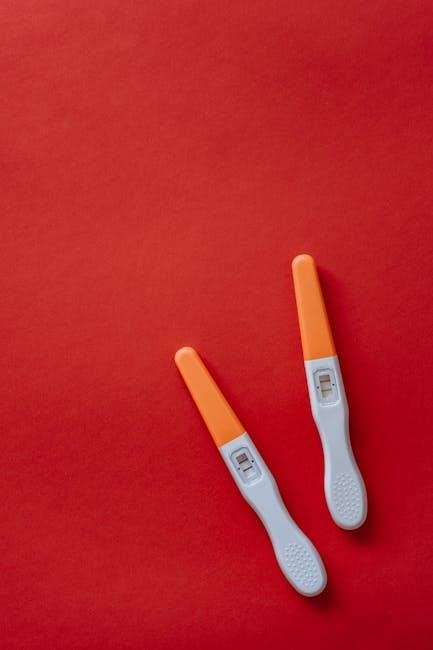
How to Perform the Surescreen Pregnancy Test (Cassette Format)
Surescreen cassette tests require a dropper; apply three full drops of urine to the specimen well, then wait for the results to appear accurately.
Materials Needed for Cassette Test
Performing a Surescreen pregnancy test using the cassette format requires a few essential materials to ensure accurate results. Firstly, you’ll need the Surescreen One-Step Pregnancy Test Cassette itself, carefully removed from its sealed pouch just before use. Crucially, the test includes a disposable dropper, vital for collecting and transferring the urine sample.
A clean, dry surface is also necessary to lay out the test components. You will need a collection container – a clean cup or specimen pot – to gather the urine sample. Finally, have a timer readily available to accurately track the required waiting period for result interpretation. Ensure all materials are within easy reach before beginning the testing process for a smooth and reliable experience.
Using the Dropper: Applying Urine to the Specimen Well
To initiate the Surescreen cassette pregnancy test, carefully hold the provided dropper vertically. Gently draw urine into the dropper, ensuring it’s filled to capacity. Precisely transfer three full drops of urine – approximately 120μl – directly into the designated specimen well on the cassette. Avoid any tilting or angling of the dropper during application to guarantee accurate sample volume.
It’s crucial to apply the urine directly into the well, avoiding contact with other parts of the cassette. Once the three drops are dispensed, initiate the timer immediately. The immunoassay technology within the cassette will begin reacting with the sample, and a waiting period is essential for a reliable result.
Number of Drops Required: Three Full Drops
The Surescreen cassette pregnancy test requires precisely three full drops of urine to function correctly. This specific volume – around 120μl – is essential for initiating the immunoassay and ensuring accurate results. Using too few drops may lead to a false negative, while excess urine could potentially compromise the test’s integrity.
Ensure each drop is a complete, saturated drop, not merely a partial fill of the dropper. Hold the dropper vertically above the specimen well to facilitate a clean and controlled application. Consistent adherence to this three-drop rule is paramount for maximizing the reliability and validity of your Surescreen pregnancy test outcome.
Waiting Time for Results: How Long to Wait
After applying the three full drops of urine to the Surescreen cassette’s specimen well, a crucial waiting period begins. Allow sufficient time for the test to develop – typically, results appear within 5 to 10 minutes. Reading the results before the recommended timeframe may yield inaccurate interpretations, potentially leading to false conclusions.
Avoid checking the test prematurely, as faint lines may emerge initially but not represent a true positive. Conversely, reading the test after an extended period (beyond 10 minutes) can also compromise accuracy. Observe the result window within the specified timeframe for a reliable and definitive indication of your pregnancy status.

Interpreting Your Results
Surescreen tests display results via lines; a positive result shows two lines, a negative shows one, and an invalid test requires retesting.
Positive Result: What Does It Mean?
A positive result on a Surescreen pregnancy test, indicated by two distinct lines – even faint ones – strongly suggests you are pregnant. This signifies that the test detected the presence of human chorionic gonadotropin (hCG), a hormone produced during pregnancy. However, it’s crucial to remember that a positive result isn’t a definitive diagnosis.
It’s highly recommended to confirm the result with a healthcare professional. They can perform a blood test for a more accurate confirmation and discuss appropriate prenatal care. While Surescreen tests boast over 99% accuracy, factors can sometimes influence results. A healthcare provider can offer guidance and support throughout your pregnancy journey, ensuring both your health and the baby’s well-being.
Negative Result: What Does It Mean?
A negative result on a Surescreen pregnancy test, displaying only one line (the control line), generally indicates that you are not currently pregnant. This means the test did not detect sufficient levels of human chorionic gonadotropin (hCG) in your urine. However, a negative result doesn’t always guarantee you aren’t pregnant, especially if testing too early.
hCG levels rise gradually after conception. If you tested shortly after a missed period, retesting in a few days is advisable, ideally using the first morning urine. If you continue to receive negative results but still suspect pregnancy, consult a healthcare professional for further evaluation and guidance. They can provide a more definitive diagnosis and address any concerns.
Invalid Result: Troubleshooting and Retesting
An invalid Surescreen pregnancy test result occurs when no control line appears, regardless of any other line’s presence. This signifies the test hasn’t functioned correctly, and the result is unreliable. Common causes include insufficient urine volume, improper procedure, or a defective test strip. Do not interpret any faint line as a valid result.
If an invalid result occurs, repeat the test with a new Surescreen test strip, ensuring you follow all instructions precisely. Verify the test isn’t expired and store it correctly. If repeated tests continue to yield invalid results, contact the manufacturer or consult a healthcare provider for advice and alternative testing options.
Understanding False Results
Surescreen tests, while highly accurate, can yield false positives or negatives; understanding potential causes—like medication or improper use—is crucial for reliable interpretation.
False Positive Results: Potential Causes
Although Surescreen pregnancy tests boast high accuracy, false positive results can occur. These aren’t indicative of pregnancy and stem from various factors. Certain medications, particularly those containing hCG (human chorionic gonadotropin), can interfere with test accuracy, leading to a positive result when not pregnant.
Rarely, underlying medical conditions, such as ovarian cysts or certain tumors, can also produce hCG, causing a false positive. Additionally, a previous pregnancy—even a recent miscarriage or ectopic pregnancy—can leave residual hCG in the system, potentially affecting the test outcome.
Chemical pregnancies, very early miscarriages occurring before clinical detection, might also trigger a positive result. Always confirm a positive result with a healthcare professional for accurate diagnosis and guidance.
False Negative Results: Potential Causes
Surescreen pregnancy tests are highly sensitive, but false negative results can happen, especially when testing too early. Insufficient hCG levels—common in the initial stages of pregnancy—may not be detectable, leading to an inaccurate negative result. Diluted urine, from excessive fluid intake, can also lower hCG concentration, impacting test accuracy.
Using urine from later in the day might yield a less concentrated sample, increasing the chance of a false negative. Incorrect test procedure, such as insufficient immersion time or not following instructions precisely, can also contribute to inaccurate results.
Certain medications, though rare, could interfere with test sensitivity. If a negative result seems unlikely, retest in a few days or consult a healthcare provider for confirmation.
Important Considerations & Precautions
Always read instructions thoroughly before use, store Surescreen tests correctly, and verify the expiry date to ensure a valid and reliable pregnancy test result.
Reading the Instructions Carefully
Prior to performing a Surescreen pregnancy test, meticulously review the provided instructions. Each brand, while generally similar, may possess slight variations in procedure. Understanding these nuances is crucial for accurate results. Pay close attention to the recommended testing time, the correct method for collecting the urine sample – specifically noting the importance of first morning urine – and the proper way to interpret the test lines.
Familiarize yourself with the visual guide illustrating positive, negative, and invalid results. Note the specific timeframe within which results should be read; reading too early or too late can lead to misinterpretation. Be aware of the maximum immersion line when using strip formats, avoiding errors by not exceeding it. Careful adherence to these guidelines maximizes the reliability of your Surescreen test.
Storage of the Surescreen Pregnancy Test
Proper storage is essential to maintain the accuracy and reliability of your Surescreen pregnancy test. Store the test in a cool, dry place, away from direct sunlight and moisture. Avoid storing it in bathrooms or other areas prone to humidity, as this can compromise the test’s integrity. Ensure the test remains sealed in its original packaging until you are ready to use it.
Temperature fluctuations can also affect the test’s performance, so avoid storing it in locations subject to extreme heat or cold. Consistent, moderate temperatures are ideal. Always check the expiry date before use; an expired test may yield inaccurate results. Following these simple storage guidelines will help ensure your Surescreen test delivers a dependable outcome when you need it most.
Expiry Date: Checking Test Validity
Before performing a Surescreen pregnancy test, meticulously check the expiry date printed on the test’s packaging. Using an expired test can lead to inaccurate results, whether falsely positive or negative, compromising your understanding of your pregnancy status. The expiry date guarantees the reagents within the test remain stable and effective for accurate detection of hCG, the pregnancy hormone.
Do not use the test if the expiry date has passed, even if the packaging appears undamaged. Discard expired tests responsibly. A valid test ensures you receive a reliable indication, allowing for informed decisions regarding your health and future planning. Always prioritize using a test within its specified validity period for peace of mind and accurate results.
Accuracy and Reliability of Surescreen Tests
Surescreen tests boast over 99% accuracy and hold CE marking, signifying adherence to stringent European quality standards for dependable, trustworthy pregnancy detection.
CE Marking and Quality Standards
Surescreen Diagnostics pregnancy tests are proudly CE marked, a crucial indicator of conformity with stringent European health, safety, and environmental protection standards. This certification demonstrates that the tests have undergone rigorous evaluation and meet all relevant directives. The CE marking assures users of a consistently high level of quality, reliability, and performance.
This commitment to quality extends throughout the manufacturing process, from sourcing raw materials to final product testing. Surescreen prioritizes accuracy and dependability, ensuring healthcare professionals and individuals can confidently rely on their test results. The adherence to these standards underscores Surescreen’s dedication to providing trustworthy diagnostic solutions.
Accuracy Rate: Over 99%
Surescreen Diagnostics pregnancy tests boast an impressive accuracy rate exceeding 99% when used correctly, providing reliable results for early detection. This high level of accuracy is achieved through advanced immunoassay technology and stringent quality control measures throughout the manufacturing process. However, achieving this accuracy hinges on meticulously following the provided instructions.
Factors like proper immersion depth, correct urine collection (first morning urine is recommended), and adhering to the specified waiting time are crucial. While highly accurate, false positives or negatives can occur; understanding potential causes and retesting if needed is vital. Surescreen prioritizes dependable results, empowering informed decisions.
Where to Buy Surescreen Pregnancy Tests
Surescreen tests are readily available through various online retailers and physical locations, including pharmacies and medical supply stores, for convenient access.
Online Retailers
Numerous online retailers carry Surescreen pregnancy tests, offering a convenient and discreet purchasing option. These platforms often provide competitive pricing and a wide selection of test formats, including individual strips and bulk packs. Customers benefit from the ease of ordering from home with delivery directly to their doorstep.
Popular online marketplaces and dedicated medical supply websites frequently stock Surescreen products. Before purchasing, it’s advisable to verify the retailer’s credibility and read customer reviews to ensure product authenticity and reliable service. Always confirm the expiry date upon receiving your order to guarantee the test’s validity and accuracy. Secure payment gateways and clear return policies are also important considerations when choosing an online vendor.
Pharmacies and Medical Supply Stores
Surescreen pregnancy tests are widely available in pharmacies and medical supply stores, providing immediate access for those who prefer in-person purchases. These locations offer the advantage of direct consultation with pharmacists or healthcare professionals who can answer questions and provide guidance on proper test usage.
Visiting a physical store allows you to visually inspect the packaging and confirm the expiry date before buying. Local pharmacies often stock various pack sizes to suit individual needs, from single tests to larger quantities; Medical supply stores may offer a broader range of Surescreen products and related healthcare items. Remember to store the test according to package instructions after purchase to maintain its accuracy and reliability.

Archived Results and Record Keeping
Keeping a record of test results, including dates and outcomes, can be helpful for tracking and understanding trends over time, if needed.
Importance of Keeping a Record
Maintaining a personal record of your Surescreen pregnancy test results is a prudent step, even if the initial outcome is clear. Documenting the date of each test, the format used (strip or cassette), and the result – positive, negative, or invalid – creates a valuable timeline. This record can be particularly useful if you experience irregular cycles or are actively trying to conceive, allowing you to identify patterns or potential concerns.
Furthermore, should you consult with a healthcare professional, having this documented history readily available will provide them with crucial information for accurate assessment and guidance. It also offers peace of mind, allowing you to review past results and gain a clearer understanding of your body’s response over time; A simple notebook or digital document is sufficient for effective record-keeping.
Understanding Past Test Results
Reviewing archived Surescreen pregnancy test results can offer valuable insights, especially when interpreting current outcomes. A pattern of negative tests followed by a positive result clearly indicates a change in hormonal levels, suggesting implantation. Conversely, consistently negative tests despite continued attempts to conceive might prompt a discussion with a healthcare provider regarding potential fertility factors.
Remember that test sensitivity (25 mIU/ml) means early tests might be faint positives. Comparing previous results helps discern subtle changes. If past tests were invalid, consider factors like improper technique or expired tests. Maintaining a detailed record, including dates and test formats, is crucial for accurate interpretation and informed decision-making regarding reproductive health.